
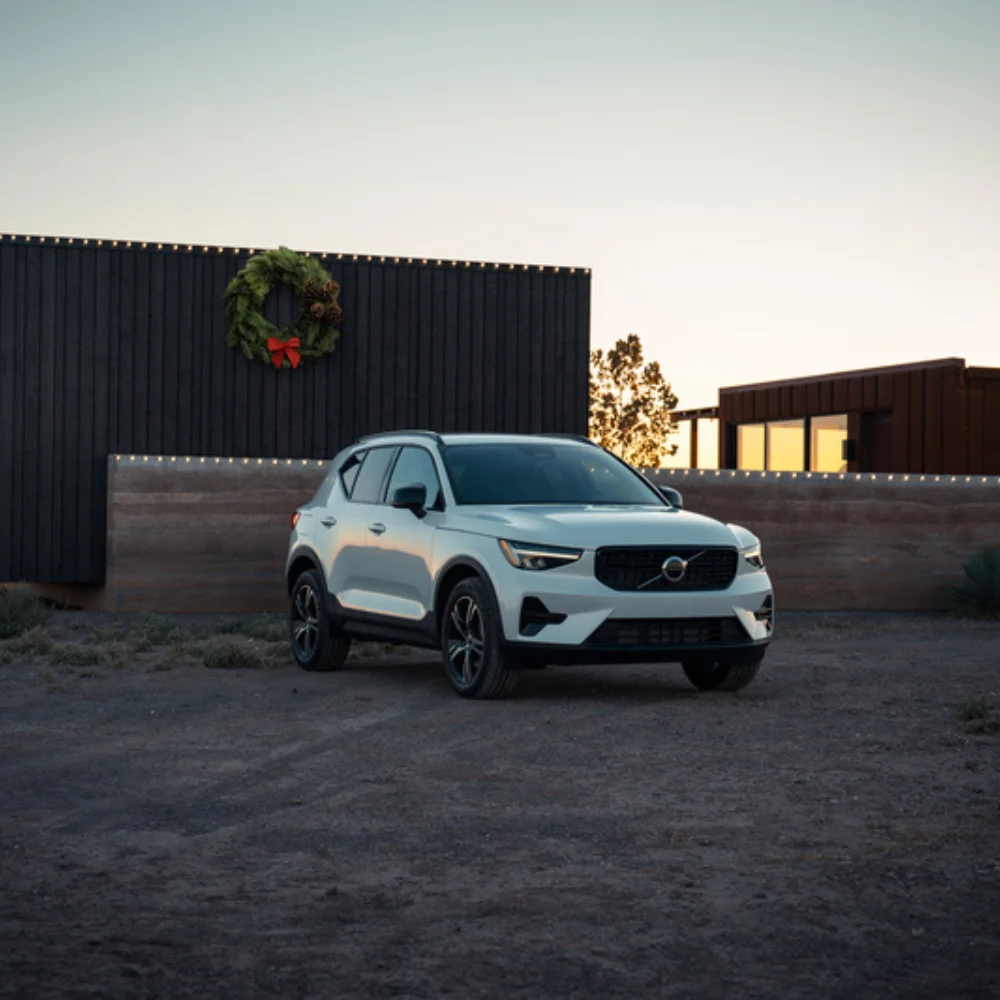
The first freeze can sneak up on Connecticut drivers. Streets look dry, but bridges and shaded bends turn slick like glass.
Volvo’s XC all-wheel drive systems are built to keep you steady in these moments. With a few smart habits, you’ll feel calm and confident on every chilly start.
Why the First Freeze Feels So Slippery
Frost forms a thin, hard layer that’s tough to see. It hides on painted lines, steel bridge decks, and tree-shaded streets.
Tires lose grip suddenly, even at low speeds. That’s when Volvo traction tech and smooth inputs matter most.
Volvo AWD, Explained in Simple Terms
Most XC models use on-demand AWD. The front wheels drive for efficiency, and the rear engages in milliseconds when slip is detected.
This quick handoff helps you pull away cleanly, hold a line in corners, and climb slick hills without drama.
The Helpers Behind the Scenes
Volvo layers safety systems to keep you in control.
-
Traction Control (TC): Limits wheelspin during takeoff.
-
Electronic Stability Control (ESC): Helps the vehicle track where you steer.
-
ABS with EBD: Shortens and balances stops on mixed-grip surfaces.
-
Hill Descent Control (HDC): Manages speed down icy slopes (select models).
Leave these features on for winter roads. They react faster than any driver can.
XC Lineup Notes (Gas, Mild Hybrid, and Recharge)
-
XC40 / XC60 / XC90: On-demand AWD balances power to the axle with traction.
-
Recharge (Plug-In / Pure Electric): Electric rear motors (or dual motors) deliver instant torque for stable launches.
-
Drive Modes: Comfort/Hybrid for daily frost; Off-Road for slow, unplowed sections where equipped.
No matter the powertrain, tires and smooth driving make the biggest difference.
Tires: The Real Grip Upgrade
Below roughly 44°F, all-season rubber stiffens and loses bite. Winter or 3PMSF all-weather tires stay flexible and brake better on cold pavement.
Aim for 5/32" tread or more for winter. Check pressure monthly—cold snaps drop PSI 1–2 per 10°F.
Step-by-Step: Morning Routine for the First Freeze
-
Preheat and clear glass. Use defrost, then lower fan speed once windows are clear.
-
Set your mode. Use Comfort/Hybrid; keep ESC and TC on.
-
Roll out gently. Light throttle, earlier braking, and soft steering for the first miles.
These three steps reduce surprises and let AWD do its best work.
Step-by-Step: Safe Empty-Lot System Check
Find an open, dry-looking lot with visibility. Keep speeds low.
-
Gentle start: From a stop, ease onto the throttle. You should feel a smooth, controlled launch.
-
Slow circle: Turn lightly while applying a little throttle. The XC should hold line without pushing wide.
-
Brake check: At 10–15 mph, brake gently. The car should track straight; ABS pulsing is normal on slick spots.
If the vehicle feels grabby or spins the tires, check tire pressure and tread first, then book a quick inspection.
Step-by-Step: Climbing and Descending on Frost
Uphill
-
Build a little momentum on approach.
-
Hold steady throttle; avoid sudden gas.
-
Keep wheels straight; let AWD balance grip.
Downhill
-
Downshift or use a lower gear; avoid riding the brakes.
-
Use HDC where equipped for slow, steady control.
-
Brake early and lightly; aim straight at the bottom.
Drive Modes for November Mornings
-
Comfort / Hybrid: Best for mixed, cold-dry pavement and light frost.
-
Eco: OK for dry cold; throttle is softer but may feel sluggish on ice.
-
Off-Road (select SUVs): For slow, rutted, or unplowed sections—not highway use.
-
Dynamic/Power: Save for clear roads; the sharper throttle can spin tires on frost.
Mode selection fine-tunes how smoothly the car responds. Grip still comes from your tires.
For Recharge Drivers: Cold-Weather Charging & Regen
Cold batteries limit regen and fast-charge speeds until they warm. That’s normal.
Precondition while plugged in, then drive gently the first few miles. Regen will increase as the pack reaches temperature.
For Gas & Mild Hybrid Drivers: Warm-Up Wisdom
Long idling isn’t necessary. Two to three minutes is enough for fluids to circulate.
Drive gently as the engine warms. Use heated seats and wheel for quick comfort with less HVAC load.
Visibility: Small Habits, Big Safety Payoff
Clean headlight lenses and mirrors after salty commutes. Keep the inside of glass dry—wet mats and heavy breath fog windows fast.
Turn defrost on early, then lower the fan to maintain clear, quiet airflow.
Maintenance to Do Before the First Freeze
-
Battery test: 3–5-year batteries struggle in cold.
-
Wiper blades: Swap if they streak or chatter.
-
Washer fluid: Use winter blend to prevent nozzle freeze.
-
Brake check: Vibration, pull, or long stops? Inspect soon.
-
Alignment: Protects new tires and keeps tracking straight on slick roads.
A 60–90 minute pre-winter inspection can save a mid-December tow.
Parking & Departure Tips
Park facing out in the evening for a straight, easy exit. Avoid spots under trees that drip and refreeze.
If snow is expected, lift wipers to prevent freezing to the glass. Brush off roof and hood fully so flying snow doesn’t blind you—or the driver behind you.
Common Mistakes to Avoid
-
Waiting for snow to mount winter tires. Cold pavement comes first.
-
Turning off ESC on roads. Keep your electronic safety net.
-
Using Dynamic on black ice. Too sharp for slick starts.
-
Two winter tires only. Always install four to keep handling predictable.
Step-by-Step: Plan a Pre-Winter Volvo Check
-
Book before the first storm. Beat the rush and get better time slots.
-
List your notes. Noises, TPMS alerts, weak heat, or traction concerns.
-
Request a winter package: Tires, brakes, battery, alignment, and software updates.
-
Ask about winter wheels. A second set with TPMS saves time and money each season.
-
Schedule a re-torque. Return after 50–100 miles when new wheels/tires are installed.
FAQs
Do I still need winter tires if I have AWD?
Yes. AWD helps you go; winter tires help you stop and turn on cold pavement and frost.
Which mode should I use on frosty streets?
Comfort/Hybrid is best for smooth inputs. Use Off-Road only for slow, unplowed areas.
Why does the stability light blink on cold mornings?
It’s normal when the system trims minor slip. It should not stay on constantly.
My XC feels “floaty” over bridges—what now?
Check tire pressure, tread, and alignment. Cold, under-inflated tires lose grip and steering feel.
Do plug-in and electric Volvos handle frost well?
Yes. Instant torque helps launches, and preconditioning improves comfort and regen sooner.
How often should I check tire pressure in winter?
Monthly, and after big temperature swings. Set PSI when tires are cold.
Is long idling good on icy days?
No. Short warm-ups, then gentle driving, warm the car faster and save fuel or charge.
When should I replace wipers?
If they streak, chatter, or skip. Fresh blades protect visibility when you need it most.
Visit Gengras Volvo North Haven
Ready to prep your XC for frost? Our team can inspect tires, brakes, battery, and software, then tailor winter settings for your commute. We’ll also walk you through preconditioning, drive modes, and winter wheel options.
Shopping for what’s next? If you’re comparing models and searching for the 2026 Volvo EX30 for sale in CT, stop by Gengras Volvo North Haven to explore availability, winter accessories, and charging solutions that fit New England life.
Final Takeaway
The first freeze is your early warning. Pair Volvo’s fast-acting AWD with winter-ready tires, clear visibility, and calm inputs.
A quick pre-winter check and smart morning routine will make every icy bridge and shaded bend feel predictable—so you arrive warm, on time, and in control.
Categories:
Volvo XC Lineup, Volvo AWD, Volvo Features, Gengras Volvo, Volvo Cars, New Inventory, Service, Parts