
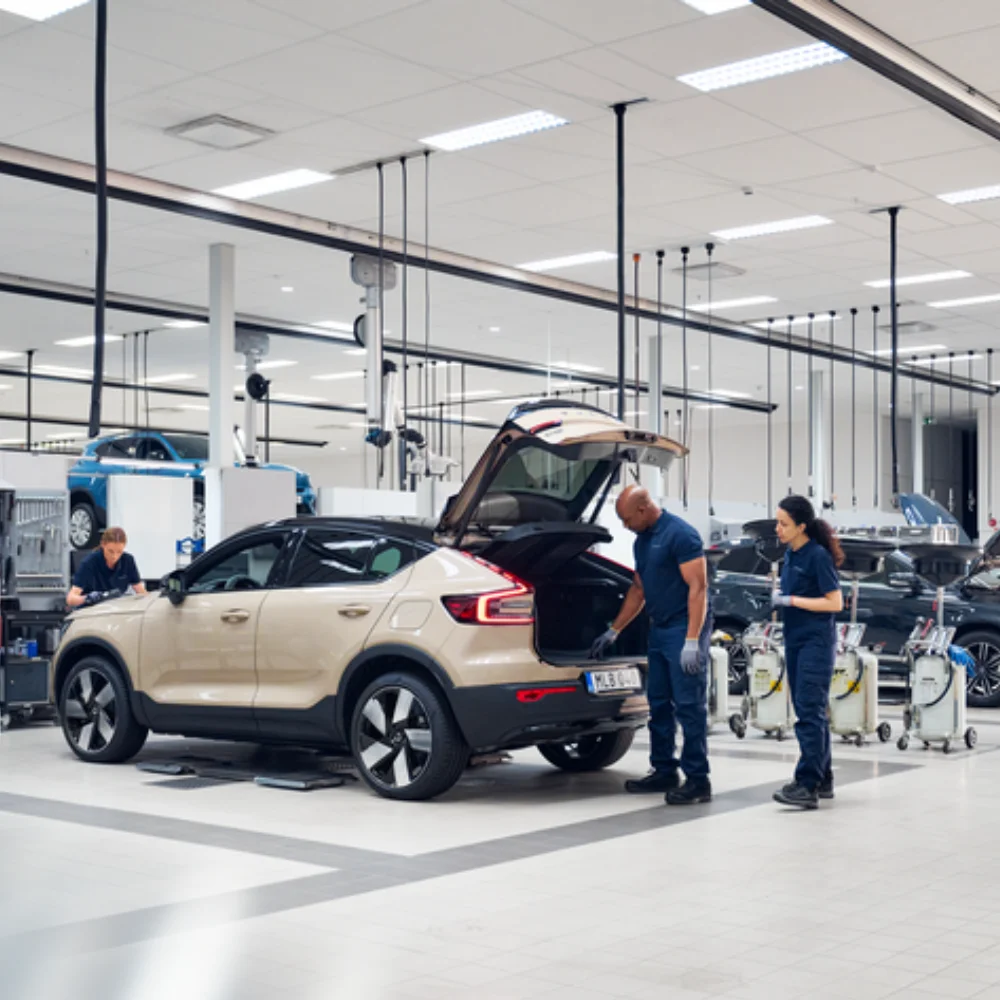
As the year ends, many Volvo owners start wondering how “ready” their vehicle is for another year of driving.
You might look at your odometer and assume mileage tells the whole story—but it doesn’t.
Two Volvos with the same mileage can be in very different conditions.
Wear, driving habits, and maintenance matter just as much as the number on the dash.
Whether you service your vehicle at Gengras Volvo of North Haven or shop elsewhere, including a nearby Milford Volvo dealer, a smart year-end inspection can help you decide what to fix, what to watch, and when it might be time to upgrade.
Why Mileage Is Only Half the Story
Mileage is a helpful guide, but it doesn’t show how the car was driven.
Short trips, hard braking, and stop-and-go traffic can create more wear than highway miles.
A Volvo with 90,000 highway miles and regular service may be in better shape than one with 50,000 miles of city driving and delayed maintenance.
That’s why a year-end inspection should focus on both mileage and real-world wear.
Common “Wear Points” on Volvos
Different parts of your Volvo wear at different speeds.
Some are affected by miles, others by age, climate, or driving style.
Key wear areas to review include:
-
Tires – tread depth, cracking, and uneven wear
-
Brakes – pads, rotors, and brake feel
-
Suspension – shocks, struts, and bushings
-
Fluids – oil, coolant, brake fluid, and more
-
Battery – age and cranking strength
-
Interior – seats, buttons, and trim condition
Checking these areas at the end of the year helps you catch problems early.
High Mileage vs Low Mileage: Different Risks
Not all Volvos age the same way.
Here’s how to think about mileage and wear together.
Higher-Mileage Volvo (80,000+ miles)
A well-maintained higher-mileage Volvo can still be very reliable.
Focus on:
-
Timing belt or chain service (depending on model)
-
Transmission and differential fluids
-
Suspension components are beginning to loosen
-
Brake system wear and rotor condition
Lower-Mileage Volvo (Under 50,000 miles)
Low mileage can be good, but it can also hide wear from short, infrequent trips.
Watch for:
-
Battery age, especially if the car sits a lot
-
Moisture in the exhaust and oil from short drives
-
Surface rust on brakes
-
Dry or cracked tires from age, not miles
This is why both mileage and use patterns matter.
Year-End Inspection Checklist for Volvo Owners
Use this checklist before 2026 to decide what your Volvo needs.
You can do some steps at home and let the service team handle the rest.
1. Tires & Alignment
Your tires affect safety more than almost any other part.
They impact braking, cornering, and wet or snowy grip.
Check:
-
Tread depth (use a penny or tread gauge)
-
Uneven wear on inner or outer edges
-
Cracks, bulges, or damage
-
Vibration at highway speeds
Uneven wear may mean you need an alignment or suspension check.
2. Brakes & Brake Feel
End-of-year is a great time to make sure your stopping power is strong.
Pay attention to:
-
Squeaking or grinding noises
-
Pulsing or vibration in the pedal
-
Soft or “spongy” pedal feel
-
Longer stopping distance than normal
If you notice any of these, schedule a brake inspection.
3. Suspension & Steering
Suspension wear often shows up slowly, so you might get used to it.
Look for:
-
Clunking noises over bumps
-
Excessive bouncing after a speed bump
-
Steering that feels loose or wanders
-
Uneven tire wear
A solid suspension keeps your Volvo comfortable and safe.
4. Fluids & Filters
Fluids protect and lubricate your engine and other systems.
Dirty or low fluids can cause expensive damage over time.
Review:
-
Engine oil level and change history
-
Coolant level and age
-
Brake fluid (should not be very dark)
-
Transmission fluid (if serviceable on your model)
-
Windshield washer fluid (especially winter-safe mix)
-
Engine air filter and cabin air filter
If you’re unsure about service history, a year-end fluid refresh is a smart move.
5. Battery & Electrical System
Cold New England winters are tough on car batteries.
A weak battery is one of the most common reasons cars fail to start.
Check for:
-
Slow cranking when you start the engine
-
Dim headlights at idle
-
Battery age (3–5 years is typical life)
Many Volvo owners have their battery tested during year-end service.
6. Lights, Wipers & Visibility
Short winter days mean you use your lights more than ever.
Good visibility is essential.
Inspect:
-
Headlights, brake lights, and turn signals
-
Fog lights (if equipped)
-
Wiper blade condition
-
Washer fluid spray pattern
Replace any burned-out bulbs and streaking wiper blades.
7. Interior Wear & Comfort
Comfort may seem minor, but it affects how much you enjoy driving your Volvo.
Check:
-
Seat support and leather condition
-
Function of heated seats and steering wheel
-
Climate control performance
-
Buttons, switches, and screen responsiveness
If your interior is showing wear, you may want to protect it with covers, mats, or a light detail.
Step-by-Step: How to Do a Simple At-Home Year-End Check
You don’t need to be a mechanic to spot basic issues.
Follow these easy steps before visiting the service center.
Step 1: Walk Around Your Volvo
Look at the body, glass, and tires.
Note any dents, scratches, low tires, or damaged trim.
Step 2: Sit Inside and Test Features
Start the engine.
Test lights, wipers, heater, A/C, radio, backup camera, and seat adjustments.
Step 3: Check Fluids Under the Hood
When the engine is cool, look at the oil, coolant, and washer fluid levels.
Top off washer fluid and note anything that looks low or dirty.
Step 4: Take a Short Test Drive
Listen for unusual noises.
Pay attention to braking, steering, and transmission shifts.
Step 5: Make a “Service List”
Write down anything that feels off.
Bring this list with you to Gengras Volvo of North Haven so the service team can focus on your concerns.
When Is It Time to Call a Volvo Service Department?
If you notice issues with safety-related items—like brakes, tires, or steering—don’t wait.
Year-end is the perfect time to fix them before winter driving gets worse.
You can schedule an inspection with Gengras Volvo of North Haven, and you can also compare service options with other regional stores, such as a Milford Volvo dealer, if that’s closer to your home or workplace.
The most important thing is that your Volvo gets the care it needs before 2026.
FAQs: Year-End Volvo Inspection & Wear vs Mileage
1. Is mileage more important than wear?
Both matter.
Mileage is a good guideline, but actual wear from driving style, weather, and maintenance is just as important.
2. How often should I do a full inspection?
At least once a year.
Many Volvo owners choose the end of the year so they start the new year with a clear plan.
3. My Volvo has low miles—do I still need to worry?
Yes.
Low-mileage cars can still have wear from age, short trips, or lack of use.
4. When should I replace my tires?
Replace them if tread is low, there are cracks, or if you feel slipping in wet or snowy conditions.
A professional can measure tread and help you decide.
5. How do I know if my brakes need work?
Listen for noises, feel for vibration, and notice if your stopping distance seems longer.
Any changes in brake feel should be checked.
6. Is it worth fixing an older Volvo, or should I trade it in?
It depends on repair cost, vehicle age, and your needs.
A service inspection and trade-in estimate can help you compare options.
7. Where can I get help deciding what my Volvo needs before 2026?
You can visit Gengras Volvo of North Haven for inspections, service, and upgrade advice.
You can also compare with other options, like a Milford Volvo dealer, but choosing a Volvo-focused team ensures your vehicle gets the specialized care it deserves.
Final Thoughts
Mileage tells part of your Volvo’s story, but wear reveals the rest.
A careful year-end inspection lets you spot small problems before they become big ones and helps you drive into 2026 with confidence.
Whether you plan to keep your Volvo for many more years or are starting to think about your next model, Gengras Volvo of North Haven is here to help you understand your vehicle’s condition and make smart decisions.
Take a little time now, and your Volvo will thank you all year long.