
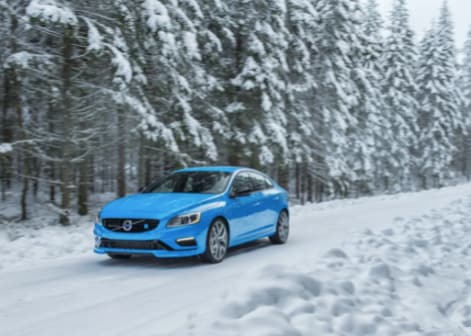
Look, we get. It can feel like there's no way to truly be prepared for Connecticut winter unless you're hauling around a set of snow tires all 6-9 months of the year.
That said, the weather in Connecticut gets predictably worse during the last few months of the year, and that can translate to car issues if left completely unaddressed. Between surprise blizzards, ever-present slush, and the fact that every driver in East Hartford seemingly forgets how turn signals work whenever it snows, there can be a lot to react to once November rolls around.
Properly winterizing your Volvo goes a long way towards de-stressing your winter driving. By taking just a few basic steps, you can protect yourself (and your new Volvo car!) from some of the most common complications and breakdowns that happen during Connecticut winter driving.
Always Check Your Battery First
Dead batteries are the No. 1 reason for AAA Roadside assistance calls for a reason. Most car batteries won't begin to show signs of damage until they're close to dying entirely, meaning you might not get much warning before yours causes problems. If that doesn't sound like a big deal, imagine trying to start your used Volvo car at 6:00 AM during a crisp December day.
Typically car batteries are good for around three years, so it's a good idea to think about replacements if yours is older than two. At the very least, it's always a good idea to take your car into your Volvo dealership service center in order to get your battery tested before the weather gets too cold.
Prolonged exposure to cold weather can also negatively affect your battery, which means it's especially important to get it tested if you've been parking outside.
Check Your Fluids-All of Them!
This one can seem like a no-brainer. After all, if one of your car's components exists in fluid form, it's probably pretty important, right? Although staying on top of fluids like oil can feel like a no-brainer, there are equally important types you might not think about as often.
For instance, you're going to want to make sure your coolant system is running smoothly, and your antifreeze levels are topped off. These two things affect both your engine's ability to stay cool, and your cabin's ability to stay warm-things you probably want to stay smooth in winter.
Finally, make sure your windshield wiper fluid is completely topped off, and replace your windshield wiper blades if they're starting to look damaged. Both of these things are vital in keeping snow, ice, and sleet from building up and blocking your visibility while driving.
Don't Forget Your Tires!
The best kinds of tire problems are the ones that don't happen at all. Seriously. There's no fun kind of tire problem.
Staying on top of your tire's health can help you avoid a lot of common causes for tire blowouts. As they naturally degrade over time, tires become more susceptible to damage from the road, especially if they've been wearing down unevenly.
Each tire has something called a tread bar, which is a single rubber bar that's set inside its groove. If it's worn down completely, then it's time to replace your tires. It's also worth checking to make sure the bar is wearing down evenly, as uneven wear means there's a possible issue with your tire pressure or alignment-something your local Volvo dealership service center will be able to assist you with!
If you have any questions about getting your new Volvo car ready for winter, or need some help replacing parts, then visit Gengras Volvo in East Hartford today!